Phasor Measurement Unit (PMU) Panel

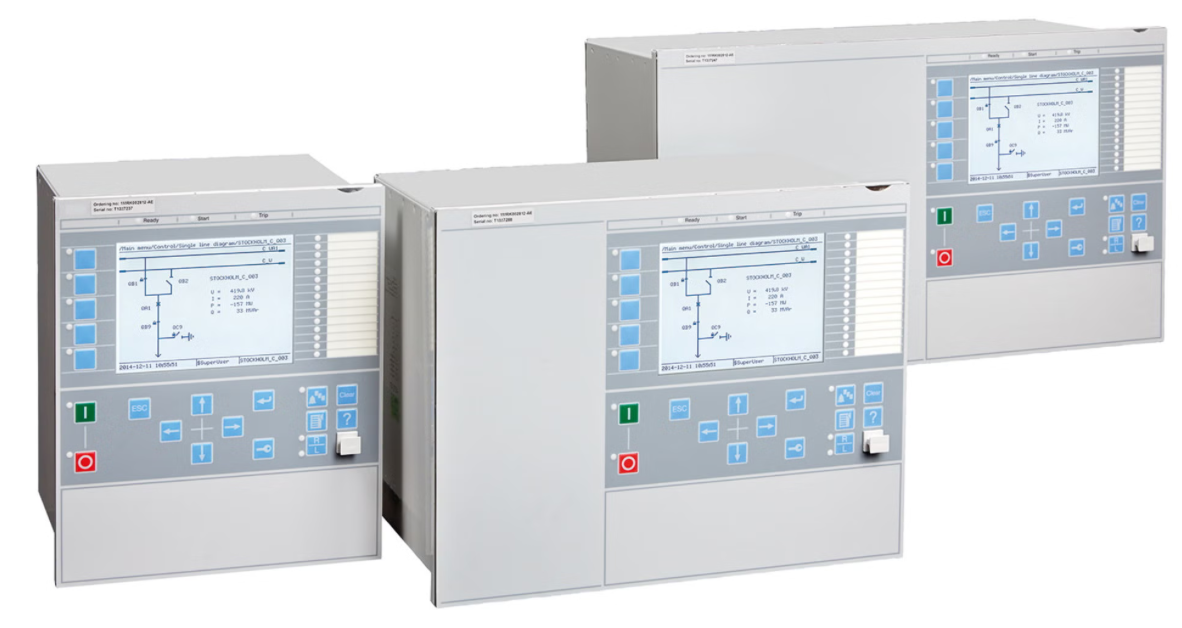
- Model No: Phasor Measurement Unit RES670 V2.2
- Category: Electrical Transmission Line Goods
- Keywords: #Phasor Measurement Unit #PMU #Synchrophasor #IEEE C37.118
- Manufacturer Name: Hitachi Energy
- Packing size: 2315x800x800 Panel
- Price: ₹1
Description
A Phasor Measurement Unit (PMU) is a high-speed digital device used to monitor, time-synchronize, and record real-time electrical phasor measurements across the Indian national power grid. Core Functions & Specifications: • Synchrophasors: Measures the magnitude and phase angle of voltage and current waveforms, along with grid frequency and rate of change of frequency (RoCoF). • Time Synchronization: Uses GPS receivers or UTC time tagging with an accuracy of less than 1 microsecond to align measurements across different substations. • Reporting Rates: Captures and reports data frames typically ranging from 10 to 50 or up to 120 frames per second depending on standard configurations (IEEE C37.118 format). • Standard Specifications (PGCIL Guidelines): Follows IEEE C37.118 standards with Level-1 accuracy, frequency range capabilities around 45–55 Hz, and configurations handling 3-phase voltage and current inputs Architecture & Data Flow: • Substation Level: Installed at critical grid substations, stepping down high voltages and currents via instrument transformers into the PMU hardware. • Phasor Data Concentrators (PDCs): Aggregates time-stamped streams from multiple PMUs to build a synchronized, wide-area view of the transmission network. • WAMS Integration: Forms the backbone of Wide Area Monitoring Systems (WAMS) managed by PGCIL and National/Regional Load Despatch Centres (NLDC/RLDCs) Key Applications in Grid: • Real-Time Visibility: Provides operators with dynamic situational awareness of power flows and phase angles. • Stability & Oscillation Monitoring: Detects low-frequency power swings, voltage instability, and sub-synchronous oscillations before they trigger cascading blackouts. • Post-Disturbance Analysis: Assists engineers in root-cause analysis and system restoration following major grid events or faults.