- 98XXXXXX66
- XXXXXXX@XXX.com
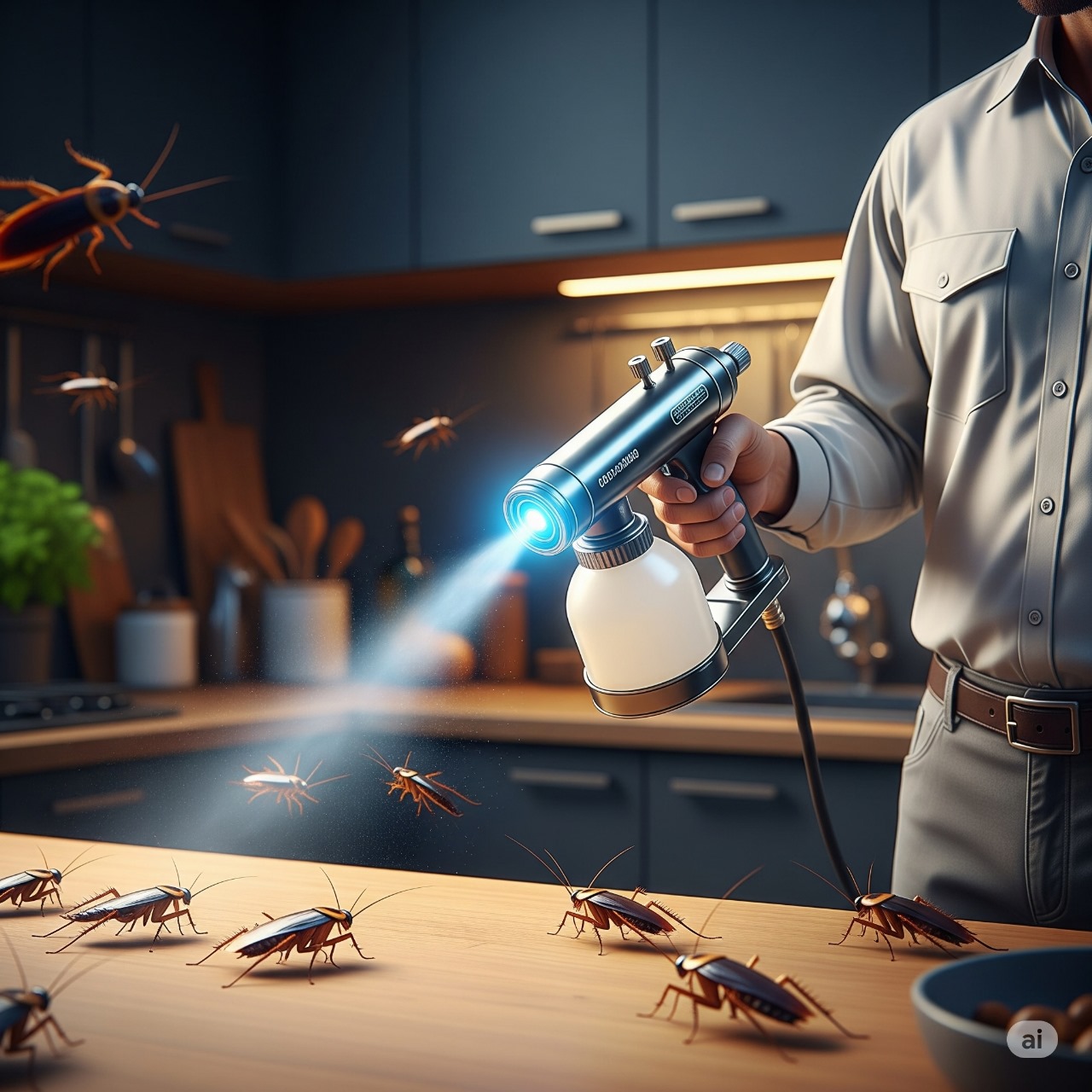
General Pests/ Insects Control

- Model No: GDP
- Category: Houskeeping Cleaning And Maintenance Services
- Keywords: GDP
- Manufacturer Name:
- Packing size: Single Service/ AMC
- Price: ₹1,400
Description
General pests/ Insects control treatment is a comprehensive process designed to eliminate existing infestations and prevent future ones. It typically involves a combination of methods, often beginning with a thorough inspection to identify the species of cockroach, the extent of the infestation, and their hiding spots. Here's a breakdown of common treatment approaches: 1. Inspection and Identification: • A pest control professional will inspect areas like kitchens, bathrooms, basements, and any dark, moist crevices where cockroaches tend to hide (under sinks, behind appliances, in cabinets, cracks, and voids). • Identifying the cockroach species (e.g., German, American, Oriental) is crucial as it dictates the most effective treatment strategy. 2. Sanitation and Exclusion (Crucial for Long-Term Control): • Hygiene: This is foundational. Removing food and water sources is paramount. This includes: ? Thoroughly cleaning countertops, floors, and appliances. ? Storing all food in sealed, airtight containers. ? Emptying garbage bins regularly and using bins with tight-fitting lids. ? Washing dishes promptly and not leaving unwashed dishes overnight. ? Cleaning up spills and food debris immediately. • Moisture Control: Cockroaches are highly attracted to moisture. Repairing leaky faucets, pipes, and other sources of standing water is vital. • Sealing Entry Points: Sealing cracks and crevices in walls, floors, around pipes, and electrical outlets prevents cockroaches from entering or moving between areas. High-quality caulk is often used for this. 3. Application of Professional Treatments: • Insecticide Gel: These are one of the most effective and commonly used methods. ? Gel Baits: Applied in small, pea-sized dots in cracks, crevices, and other hidden areas where cockroaches frequent. The bait is palatable to cockroaches, and they consume the slow-acting insecticide. • Insecticide Sprays (Liquid Residuals): ? Applied to cracks, crevices, voids, and surfaces where cockroaches travel. Professional formulations are designed to be safe for indoor use when applied correctly and are typically targeted to minimize human and pet exposure. ? Non-repellent insecticides are often preferred as they don't disperse cockroaches to other areas. Important Note: While there are many DIY remedies (e.g., baking soda and sugar, essential oils), GD pest control services offer a more targeted, effective, and long-term solution, especially for established infestations. They have the expertise to identify species, locate hidden colonies, and apply professional-grade products safely and effectively.