UHF / LHF RFID READER FOR CONTACT LESS MANAGEMENT / VERIFICATION

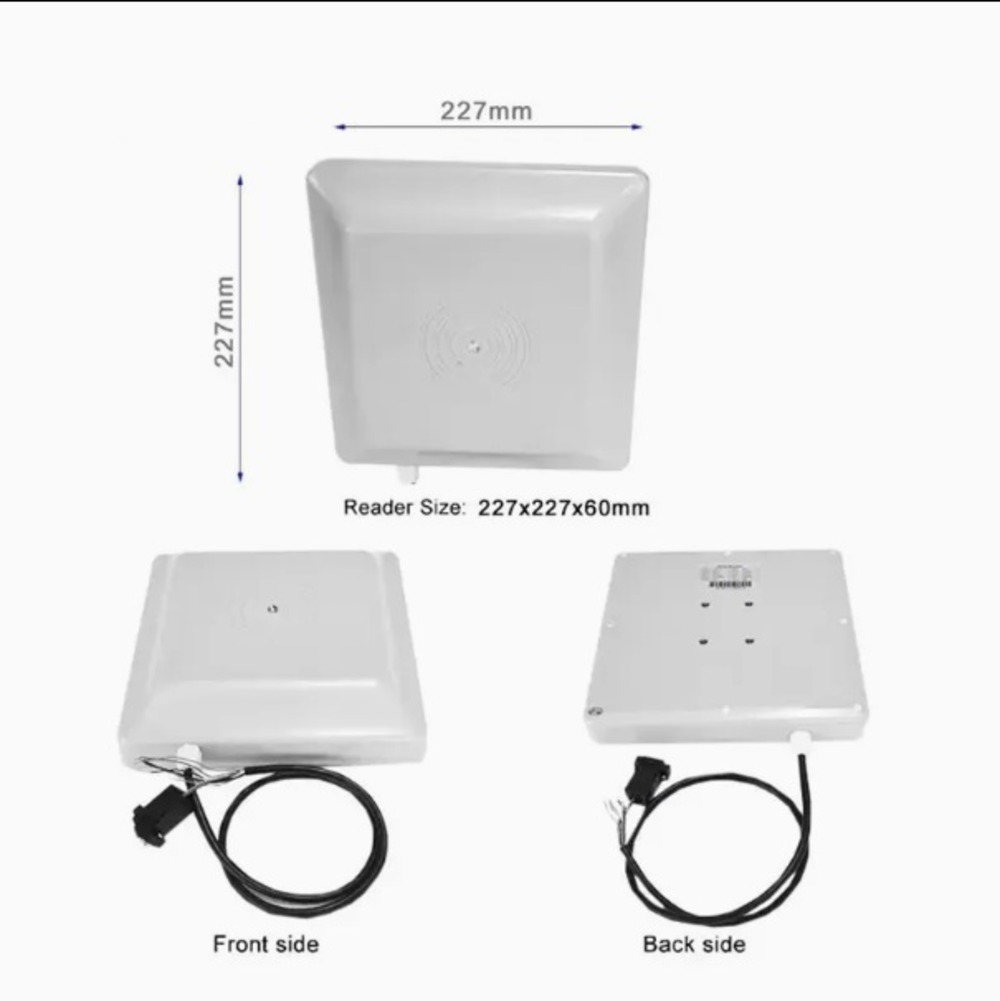
- Model No: BTS-UHF25
- Category: Security Equipment
- Keywords: Here are some keywords related to UHF Reader: 1. UHF RFID reader 2. Ultra-high frequency reader 3. Long-range RFID reader 4. UHF RFID tag reader 5. Inventory tracking system 6. Asset tracking reader 7. Supply chain management reader 8. Warehouse management system 9. UHF RFID scanner 10. RFID inventory management 11. UHF RFID inventory reader 12. Long-range asset tracking 13. UHF RFID tag scanner 14. Automated inventory tracking 15. UHF RFID data collector
- Manufacturer Name: RFID HID
- Packing size: STANDARD
- Price: ₹7,500
Description
Here's a description of UHF (Ultra High Frequency) and LHF (Low High Frequency) RFID readers: UHF RFID Readers:1. Frequency range: 860-960 MHz2. Read range: Up to 10 meters (33 feet)3. Data transfer rate: Fast data transfer rates, up to 100 tags per second4. Applications: Supply chain management, inventory tracking, asset tracking, and access control5. Advantages: Long read range, fast data transfer, and low cost LHF RFID Readers:1. Frequency range: 125-134 kHz2. Read range: Up to 1 meter (3 feet)3. Data transfer rate: Slower data transfer rates compared to UHF4. Applications: Access control, authentication, and identification5. Advantages: High security, low power consumption, and low cost Key Differences:1. Frequency: UHF operates at a higher frequency than LHF2. Read range: UHF has a longer read range than LHF3. Data transfer rate: UHF has faster data transfer rates than LHF4. Applications: UHF is used for inventory tracking and supply chain management, while LHF is used for access control and authentication Images:Unfortunately, I'm a text-based AI and cannot provide images. However, you can search for "UHF RFID reader" and "LHF RFID reader" on image search engines like Google Images to find relevant images.