Inert Gas Fire Suppression System

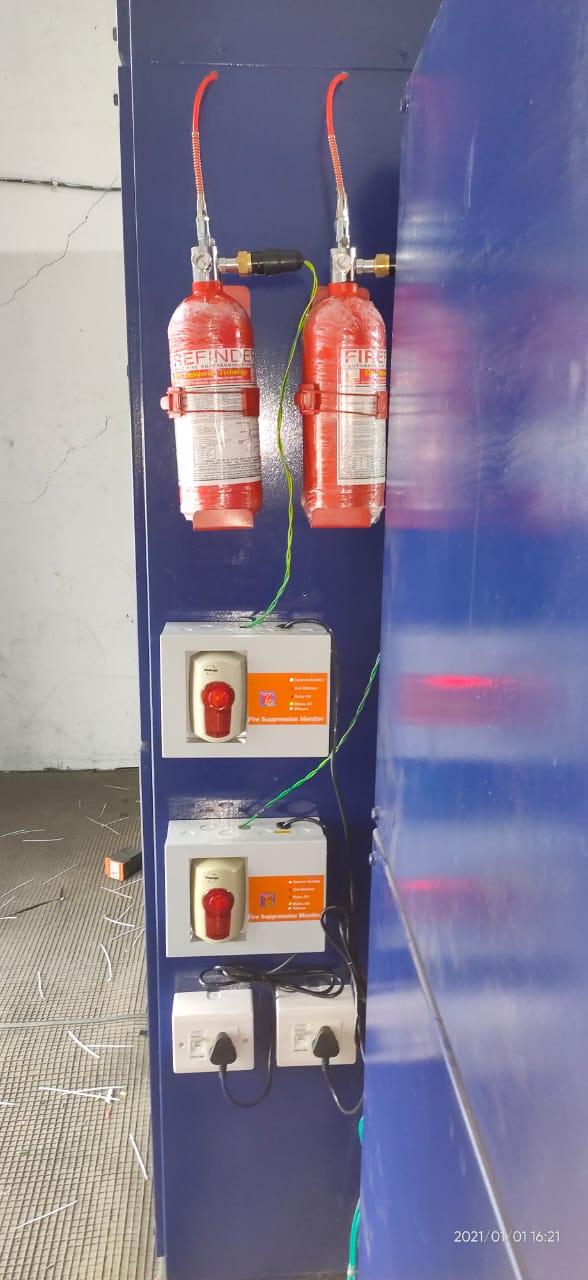
- Model No: IGFSS
- Category: Fire fighting and Fire Protection Equipment
- Keywords: FK-5-1-12 Fire Suppression System Novec 1230 Fire Protection System FK-5-1-12 Gas Flooding System FM-200 Fire Suppression System HFC-227ea Fire Extinguishing System Inert Gas Fire Suppression System IG-541 / IG-100 / IG-55 Suppression System CO2 Clean Agent Fire Suppression
- Manufacturer Name: Fire engineering technology
- Packing size: 1x1x1
- Price: ₹65,000
Description
An Inert Gas Fire Suppression System is a gas-based fire protection system that uses naturally occurring gases to extinguish fires by reducing the oxygen level in the protected space to a point where combustion cannot be sustained — but still safe enough for people to breathe for short periods. These systems are non-conductive, residue-free, and environmentally friendly, making them ideal for protecting sensitive equipment and valuable assets. Technical Overview Common Agents: IG-541 – 52% Nitrogen (N2) + 40% Argon (Ar) + 8% CO2 IG-55 – 50% Nitrogen + 50% Argon IG-100 – 100% Nitrogen IG-01 – 100% Argon Ozone Depletion Potential (ODP): 0 Global Warming Potential (GWP): 0 Atmospheric Lifetime: Naturally occurring gases; no environmental persistence. Applicable Standards: NFPA 2001, ISO 14520 How It Works Fire Detection – Smoke/heat detectors trigger the system. Activation – Control panel signals cylinder release (electric or pneumatic). Discharge – Agent flows through piping and nozzles into the protected area. Oxygen Reduction – Oxygen level drops from normal (20.9%) to ~12–15%, below combustion threshold. Suppression – Fire is extinguished without chemical residues. Safe Occupancy Window – Short-term exposure is safe for healthy individuals. Advantages Environmentally Friendly – 100% natural gases, no climate impact. No Residue – No cleanup required. Non-Conductive – Safe for live electrical equipment. Unlimited Shelf Life – No degradation over time. Safe for Occupied Areas – When designed within NFPA 2001 limits. Cost-Effective Refills – Only high-pressure inert gases needed.